Services and Super Support™
Transform your operational efficiencies with hospitality technology services
-

Be More Productive
-

Get Fast, Expert Support

-
Stay Ahead of the Competition

You Need a Reliable IT Partner
-
IT Vendor Management
& Super Support™Take the burden of managing multiple vendors off your shoulders and rely on ATC for prompt support.

-
Enhanced Guest Experience
Turn guests into raving fans with leading-edge, guest-friendly technologies.
-
Network Transformations
Don’t let slow Wi-Fi, unexpected outages, or complicated installations derail your operations.

-
New Construction and PIP
Whether you’re building new, transitioning, or upgrading a current property, put IT in our capable hands.

-
Artificial Intelligence
Analyze data to make better guest-centric predictions and decisions with help from AI.

-
Cybersecurity
Safeguard all your critical assets and meet compliance regulations with ease.

Support That Caters to You
ATC’s Super Support™ provides you with a direct line to highly qualified and experienced support staff. You get “personalized” support that goes above and beyond what your provider offers, no matter which provider or service you’re having trouble with.

The Upgrade Your Hotel Deserves
Here’s how it works:
-
When you experience outages, service affecting issues, or need escalations, you contact Super Support. It’s your single point of contact for all your services and providers.

-
We’ll try to resolve your issue immediately.
-
If the ATC Super Support team cannot solve or answer your questions independently, we will work with the provider on your behalf and escalate accordingly.
Eliminate finger-pointing and get faster results with Super Support™.
Steps to IT System Success
Why struggle with your property’s technology infrastructure and systems? When you partner with ATC, we:
- Assess your current needs.
- Roadmap needed short- and long-term hotel and portfolio strategy.
- Select and negotiate with vendors.
- Guide property leaders and spearhead change management.
- Provide ongoing evaluation and optimization.
Want to Stay Ahead?
The secret lies in leveraging hospitality IT systems and advanced technology that can help you improve hotel operations. As experts in the hospitality industry, we want to guide you through understanding the importance of hospitality IT, how it has evolved over the decades and the crucial role technology plays in advancing operational success for hotel owners and franchisees.
Ready to explore?

Understanding IT Systems in the Hospitality Industry
Hospitality information technology encompasses a wide range of technologies and applications designed to streamline operations, enhance the guest experience and drive business growth. From property management systems (PMS) to point-of-sale (POS) systems, hospitality IT plays a critical role in managing hotel operations, including:
- HSIA
- Free to Guest
- Guest Room Entertainment Platforms
- PBX
- Call Accounting
- Managed Services
Current Trends in Hospitality
- Integration of contactless technology for enhanced safety and convenience.
- Adoption of artificial intelligence (AI) technologies for personalized guest experiences.
- Implementation of cloud computing solutions for scalability and flexibility.
- Utilization of data analytics and business intelligence for informed decision-making.
- Embracing sustainability initiatives through innovative technology solutions.
Every year, industries see new trends, and the hospitality industry is no exception. Currently, several hospitality technology trends are making a great impact on accommodation businesses worldwide.
Technology is becoming increasingly pivotal, from streamlining hotel operations to improving the guest experience. If hotels want to remain profitable in such a competitive and rapidly evolving industry, it is imperative to stay aware of the latest in technology.
Here are several hotel technology trends to watch out for in 2025 that will help you stand out from the competition, enhance operations and improve the guest experience.
Smart hotel rooms allow guests to easily personalize their rooms to fit their needs. The technology in hotel rooms enables guests to adjust the room temperature and lighting, and guests can even stream their favorite shows through a remote or smartphone.
Rooms can also be programmed to automatically reduce power during certain hours of the day. This type of tech not only makes it easy for hotel owners to keep energy costs low, but they also have the ability to completely shut everything off in rooms where guests are not present. How’s that for convenience and affordability?
In a world where people are increasingly conscious of the environment, smart rooms also offer a promise of greater sustainability, and guests can feel comfortable knowing that they’re using energy sustainably. While these rooms are a massive benefit for the guest experience, they are also beneficial to hotels because they can reduce operating costs
IoT is definitely one of the top new technology trends in the hospitality industry. It allows various devices to be connected through the internet and controlled by one central source, such as a smartphone or tablet. Examples of IoT applications can include everything in a smart hotel room, from digital key cards to voice-controlled customer service.
IoT allows guests to easily control everything in their room and personalize it to their needs. It’s an operations win, too: mainly because IoT works as a smart hotel technology that uses data to identify and address issues before they become greater problems.
Big data is one of the most practical hotel technology trends to date. By definition, big data is a large collection of data that businesses can collect from consumer interactions. It is then used to analyze customer behavior and make more informed and strategic business decisions.
Hotel owners and franchisees can use these insights to cater services directly to guests’ needs and interests and create a personalized experience they will never forget.
Undeniably, mobile services only have room to improve in the future of hotel technology trends. After COVID-19, most interactions at the front desk were minimized as much as possible. A mobile check-in service became widely used in hotels to reduce contact between guests and employees. This also gives guests greater peace of mind.
Aside from this benefit, a mobile check-in service can speed up the arrival process and allow guests to get to their rooms quickly. One way to implement this is through digital registration cards that allow guests to fill out all necessary information from their phones prior to arriving at a hotel.
Just like with 2023, this year will see another booming technology trend in the hospitality industry: contactless payments. This trend uses wireless technology to complete contactless transactions.
According to a 2023 report by Yahoo Finance, the global contactless payment market size is projected to grow from 38 billion in 2022 to 162 billion by 2030, at a compound annual growth rate (CAGR) of 19 percent during the projected period.
Customers can simply place their credit card or mobile device within a few inches of the card reader and quickly complete transactions. Contactless payments also reduce transaction time, allowing guests to quickly finish up their check-in and finally relax after travel.
Staying connected in today’s fast-paced world is more important than ever. That’s why your hotel establishment needs a high-velocity network and a solid IT system that supports performance and productivity to keep your team functioning optimally.
Cloud computing in the hotel industry is a large part of why the guest experience has vastly improved. A cloud ecosystem provides several advantages over traditional computing by helping organizations:
- Avoid costly and painful installations.
- Spend minimal amounts on upfront investments (no hardware costs).
- Eliminate depreciation costs of on-prem servers. (Cloud software gets better with age since updates can be made at any time.)
- Reduce switching costs with easy-to-use software.
- Access information anytime, from anywhere.
- Prevent disruption or data loss.
From omnichannel support to AI, intelligent cloud contact centers allow hotel brands to use cloud-based services to collect useful data from the first moment a customer interacts with the business. This data can then be used to tailor the guest experience and make data-driven decisions about property management.
Current IT Challenges in Hospitality
- Ensuring data security and compliance with regulations such as GDPR and PCI DSS.
- Integration of disparate systems for seamless operations.
- Addressing cybersecurity threats and vulnerabilities.
- Managing the high initial costs of implementing new technologies.
- Training staff to effectively utilize and adapt to new IT systems.
As a hotel owner or franchisee in the hospitality industry, you need to keep up with, or outpace, the technologies that can make your service-first company perform better. It’s even more challenging to understand the next-gen technologies that could set your business apart and become an industry trailblazer.
ATC’s best practices and years of experience working with companies — large and small — empower us to advise clients on how to scale with technology without having the buying power of a large enterprise.
Benefits of IT Systems for Hotel Owners and Franchisees
Staying ahead of the competition requires more than just offering a comfortable bed and a warm welcome. Hotel owners and franchisees need to embrace IT systems and technology to enhance operational efficiency, improve guest experiences, maintain their competitive advantage and drive overall growth.
Hospitality technology consultants play a crucial role in helping you achieve these goals by streamlining operations, maximizing revenue opportunities and providing valuable insights for strategic decision-making. Let's explore five key benefits of IT systems for hotel owners and franchisees to help you thrive in an ever-evolving market.
5 Key Benefits of IT Systems for Hotels
Hospitality IT systems automate various processes within a hotel, such as reservations, check-ins, inventory management and housekeeping scheduling. By streamlining these operations, IT systems help reduce manual errors, save time and enhance overall efficiency, allowing your staff to focus on providing excellent guest service.
According to a recent Forbes article, IT systems and artificial intelligence (AI) enable personalized guest interactions and services, leading to an enhanced guest experience. For example, online booking platforms provide convenient booking options, while in-room technology, such as smart controls and entertainment systems, cater to guest preferences and needs, ultimately increasing guest satisfaction and loyalty.
Effective hospitality IT systems help hotels optimize resource utilization, reduce overhead costs, and maximize revenue opportunities. Through features like dynamic pricing strategies, data analytics and targeted marketing campaigns, hotels can increase profitability and competitiveness in the market.
Hotels with robust IT infrastructure gain a competitive edge by offering superior services, quicker response times and innovative amenities for guests. Integration with modern technologies like mobile apps, self-service kiosks and loyalty programs helps attract and retain customers in a competitive market.
IT systems provide hotel owners and franchisees with real-time data and analytics for informed decision-making. From financial performance to guest satisfaction metrics, access to comprehensive insights enables strategic planning and continuous improvement initiatives, leading to more efficient management practices and better business outcomes.
Essential IT Systems and Technologies for Hotels
The hotel industry and technology are a perfect match. The way technology emerged in this volatile industry and transformed the way hotel businesses operate is just impressive. But (and there’s always a BUT), many hotel owners and franchisees around the world are still refraining from using any sort of hospitality technology solution.
While there may be myriad reasons for you to hesitate, there are several more reasons for you to move forward with advancing your business, the biggest being property management systems.
Property Management Systems for Improved Operational Efficiency
Property management systems (PMS) provide revenue management tools that enable dynamic pricing, yield management, optimize inventories, and maximize revenue per available room (RevPAR). Coupled with other automation tools, like Point-of-Sale systems (POS) and Customer Relationship Management (CRM) tools, PMS significantly improves operational efficiency for hotels in a number of ways:
- Streamlined processes
- Resource optimization
- Cost savings
- Real-time data access
- Enhanced guest experience
- Personalized services
- Operational efficiency
Hospitality IT systems enable hotels to personalize guest experiences by capturing guest preferences, providing tailored recommendations and anticipating guest needs.
In 2023, nearly 72 percent of travelers said they preferred to book their trips online. Online booking platforms, mobile check-in/out and self-service kiosks powered by these systems offer guests greater convenience and accessibility, enhancing their overall stay.
Additionally, integrated IT systems enable seamless communication between hotel departments, ensuring that guest requests and preferences are communicated and fulfilled efficiently.
Automated processes and streamlined operations powered by hospitality IT systems ultimately help to reduce labor costs, minimize waste and optimize resource utilization, leading to significant cost savings over time.
Booking and Reservation Systems
Booking and reservation systems technology in hotels has undergone significant changes over the years, driven by advancements in digital technology and changing guest preferences.
Here's how these systems have evolved:
One of the most notable changes is the shift from traditional phone or walk-in reservations to online booking platforms. Hotels now offer user-friendly websites and mobile apps that allow guests to book rooms conveniently from anywhere, at any time. This shift has empowered guests with greater flexibility and control over their booking process while enabling hotels to reach a wider audience and increase their booking volumes.
With the proliferation of online travel agencies (OTAs) and other distribution channels, hotels have adopted channel management solutions to streamline the distribution of their inventory across multiple platforms. These systems enable hotels to manage room availability, rates, and restrictions in real time, ensuring consistency across all distribution channels and maximizing revenue potential.
Modern booking and reservation systems leverage guest data and analytics to offer personalized booking experiences. Guests can receive tailored recommendations based on their preferences, past booking history, and loyalty status. This personalization enhances guest satisfaction and loyalty while driving incremental revenue through targeted upselling and cross-selling opportunities.
With the increasing prevalence of smartphones and mobile apps, hotels have introduced mobile booking capabilities to cater to on-the-go travelers. Mobile booking apps allow guests to make reservations, check-in, and access keyless entry to their rooms using their mobile devices, providing a seamless and contactless experience from booking to checkout.
Modern booking and reservation systems are tightly integrated with PMS, enabling seamless data flow between front-office and back-office operations. This integration ensures that room inventory, guest preferences, and reservation details are synchronized in real time, facilitating efficient check-in processes and enhancing overall guest satisfaction.
In-Room Technology

Smart hotel rooms are redefining the guest experience, offering a seamless blend of technology and comfort to enhance every aspect of the stay. From personalized climate control to voice-activated assistants, these innovative rooms cater to the needs and preferences of modern travelers.
Let's take a closer look at the different types of technology currently used in smart hotel rooms, each contributing to a more convenient, efficient, and enjoyable stay for guests.
- Smart thermostats allow guests to control the room temperature and climate settings remotely via a smartphone app or voice commands. Smart thermostats can also learn guests' preferences and adjust settings automatically for optimal comfort.
- Voice-activated assistants like Amazon Alexa or Google Assistant are integrated into smart hotel rooms, enabling guests to control room features, request information, and even place orders for room service using voice commands.
- Keyless entry systems eliminate the need for traditional keycards by allowing guests to unlock their room doors using a smartphone app or digital key stored on their mobile device. This technology enhances security and convenience for guests during check-in and throughout their stay.
- Smart lighting systems use sensors and automation to adjust lighting levels based on guest occupancy, time of day and natural light conditions. Guests can control lighting presets, dimming levels, and color options through a smartphone app or voice commands.
- In-room entertainment systems involve rooms equipped with high-definition smart TVs. Streaming services like Netflix, Hulu, and YouTube allow guests to access a wide range of entertainment content. Some TVs also feature casting capabilities, enabling guests to mirror content from their personal devices.
- Integrated control panels or tablets installed in smart hotel rooms give guests centralized control over various room features such as lighting, temperature, curtains, and entertainment systems. Guests can customize settings and access hotel services directly from the control panel.
- Smart mirrors feature built-in lighting and touchscreen displays that offer guests personalized information such as weather updates, news headlines and local attractions. Some smart mirrors also have built-in cameras for virtual try-on experiences or fitness-tracking capabilities.
- Connected appliances such as mini-fridges, coffee makers, and safes can be equipped with sensors and Wi-Fi connectivity to allow guests to remotely monitor and control these appliances remotely using a smartphone app or voice commands.
By integrating these technologies, smart hotel rooms offer guests seamless and customizable experiences, enhancing comfort, convenience and overall satisfaction during their stay.
Data Analytics Tools and Integration
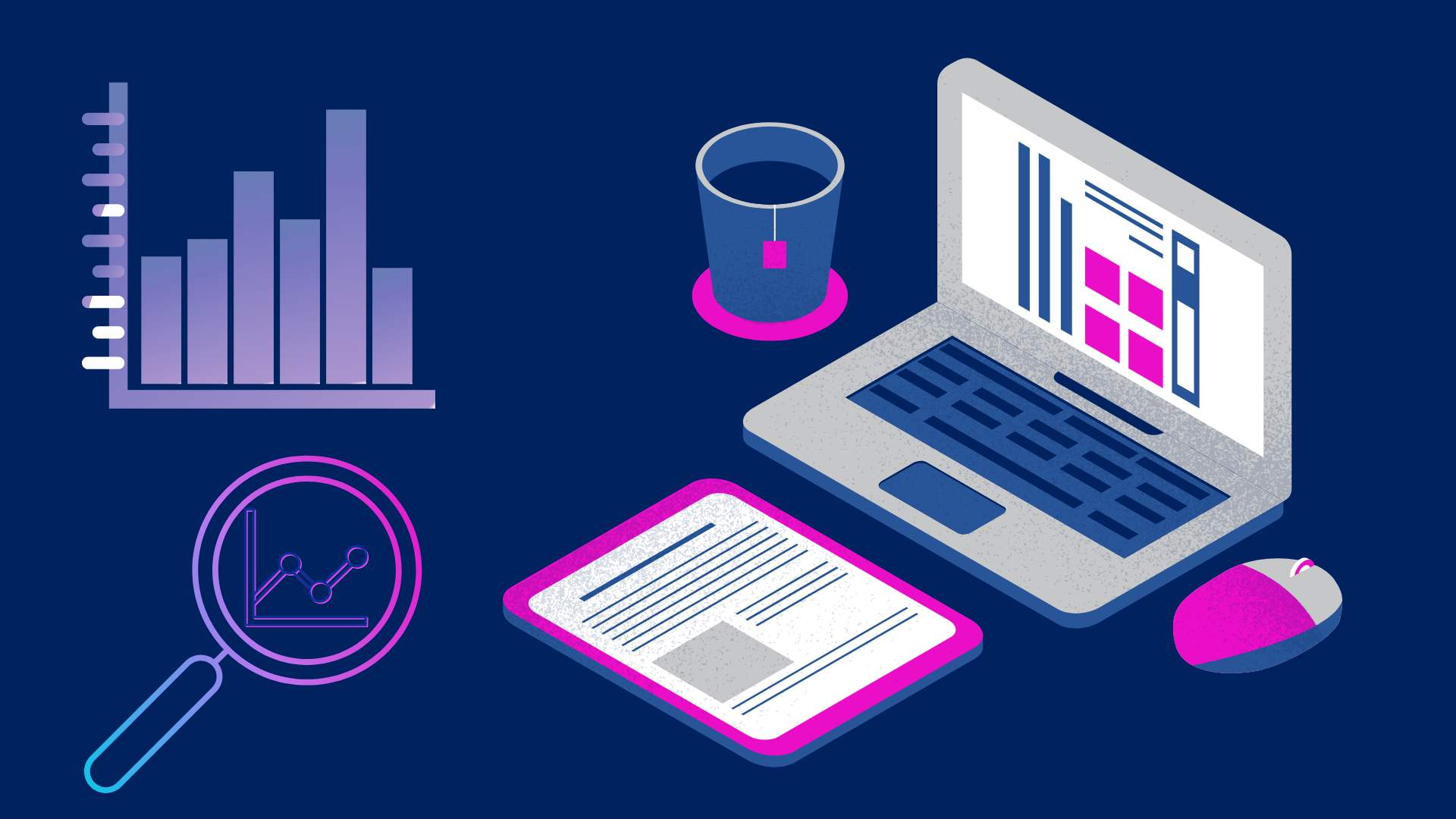
IT systems provide hotel owners and franchisees valuable insights and analytics, empowering them to make data-driven decisions.
Consider Business Intelligence (BI): Data analytics tools integrated into IT systems offer actionable insights into guest preferences, market trends, revenue performance and operational efficiency, enabling informed decision-making and strategic planning.
With advanced analytics capabilities, hotels can forecast demand, identify revenue opportunities and anticipate guest behavior, enabling proactive decision-making and effective resource allocation.
BI and Predictive Analytics (PA) can seamlessly integrate with existing hotel systems, enhancing their overall efficiency and effectiveness.
Consider the advantages of integrating BI with:
- Property Management Systems (PMS): BI and analytics platforms can integrate with PMS to extract and analyze data related to room occupancy, guest demographics, booking patterns and revenue performance. By combining data from various sources, hotels can gain deeper insights into guest preferences, optimize pricing strategies and improve revenue management.
- Customer Relationship Management (CRM) systems: BI tools can integrate with CRM systems to analyze guest interactions, preferences and feedback. By consolidating guest data from multiple touchpoints, hotels can create comprehensive guest profiles, personalize marketing campaigns, and enhance guest loyalty and satisfaction.
- Point-of-Sale (POS) systems: BI and analytics solutions can integrate with POS systems in food and beverage outlets to analyze sales data, menu performance and customer preferences. This integration enables hotels to optimize menu offerings, pricing strategies and inventory management, leading to increased profitability and customer satisfaction.
- Online booking platforms: BI tools can integrate with online booking platforms to analyze website traffic, conversion rates and booking trends. By tracking user behavior and preferences, hotels can optimize their online booking process, improve website performance and enhance the overall digital experience for guests.
- Revenue Management Systems (RMS): BI and analytics platforms can integrate with RMS to analyze demand forecasts, market trends and competitor pricing data. With this approach, hotel leadership can make data-driven decisions regarding room rates, promotions and distribution channels. It all works together to maximize revenue and profitability.
Predictive analytics specifically focuses on forecasting future outcomes based on historical data and statistical algorithms. Here's how predictive analytics can integrate with existing hotel systems like:
- Property Management Systems (PMS): Integrate with PMS to analyze historical booking patterns, guest preferences and market trends. By leveraging predictive models, hotels can forecast future demand, optimize room pricing, and allocate resources effectively to maximize revenue.
- Customer Relationship Management (CRM) systems: Use integration to predict customer behavior, preferences and lifetime value. By analyzing historical interaction data and demographic information, hotels can anticipate guest needs, personalize marketing campaigns and improve customer retention.
- Point-of-Sale (POS) systems: Predictive analytics can integrate with POS systems to forecast sales, inventory demand and customer purchasing patterns in F&B outlets. By leveraging predictive models, hotels can optimize menu offerings, pricing strategies and inventory management to minimize waste and maximize profitability.
- Online booking platforms: Predictive analytics can integrate with online booking platforms to analyze website traffic, user behavior and conversion rates. By identifying patterns and trends in user interactions, hotels can optimize their website design, marketing strategies and promotional efforts to increase bookings and revenue.
- Revenue Management Systems (RMS): Integration can help forecast demand, competitor pricing and market dynamics. By leveraging predictive models, hotels can adjust room rates dynamically, optimize distribution channels, and implement targeted promotions to maximize revenue and profitability.
Compliance Regulations for Hotel Franchises
Hotels are subject to various compliance regulations aimed at ensuring the safety, security, and privacy of guests, as well as maintaining the integrity of their operations. Some of the key compliance regulations that hotels have to meet include:
- Data protection and privacy laws: Hotels collect and store personal information from guests, including contact details, payment information and preferences. To protect guest privacy and prevent data breaches, hotels must comply with data protection and privacy laws or mandates such as the General Data Protection Regulation (GDPR) in the European Union or the California Consumer Privacy Act (CCPA) in the United States.
- Payment Card Industry Data Security Standard (PCI DSS): Hotels that process credit card payments are required to comply with PCI DSS, a set of security standards designed to protect cardholder data from theft and fraud. This includes implementing security measures such as encryption, access controls, and regular security audits to ensure compliance.
- Labor laws and employment regulations: Hotels must comply with labor laws and employment regulations governing issues such as minimum wage, working hours, employee benefits and workplace safety. This ensures fair treatment of employees and compliance with legal requirements to maintain a healthy and productive work environment.
Overall, compliance with these regulations is essential for hotels to uphold their duty of care towards guests and employees, maintain operational integrity and avoid legal liabilities, fines or reputational damage resulting from noncompliance.
By meeting regulatory requirements, hotels demonstrate their commitment to providing a safe, secure, and enjoyable experience for guests while protecting their own interests and reputation in the hospitality industry.
Future Trends in Hospitality Technology
As mentioned earlier, current hospitality technology trends, such as smart rooms, mobile check-in, and contactless payments, are becoming more and more pivotal. But the future of technology in the hospitality industry is AI and machine learning.
Artificial Intelligence (AI) in Hospitality
As a new digital age develops and new trends emerge in the hospitality industry, one thing is certain: artificial intelligence and virtual reality are the very near future of hospitality. More and more companies are adopting these new technologies and starting to see the benefits. The main reason for this development, besides the fact that personalized content is the most important item on the list, is the way personalized content is offered to the customer, whose needs are also constantly evolving as technology evolves.
Artificial intelligence (AI) is becoming increasingly important in the hospitality industry, with hotels developing an interest in AI-powered chatbots and virtual assistants to provide 24/7 customer support. By 2025, many hotels will implement AI technologies to enhance the guest experience, such as using machine learning to make personalized room recommendations or using facial recognition to streamline the check-in process.
Machine Learning (ML) in Hospitality
Many industry leaders like Hospitality Net, recognize ML as a powerful tool that can help hotels improve their operations and drive digital transformation.
Machine learning algorithms use a variety of techniques, including neural networks, decision trees and support vector machines, to find patterns in data and make predictions or take actions based on that data.
Machine learning algorithms analyze guest preferences, booking history and behavior to provide personalized recommendations for accommodations, dining options, activities and amenities. By understanding individual guest preferences, hotels can offer tailored experiences that meet the unique needs and interests of each guest, thereby enhancing satisfaction and loyalty.
Additionally, and arguably more importantly, machine learning algorithms analyze transaction data, user behavior, and network activity to detect and prevent fraudulent activities such as credit card fraud, identity theft and cyberattacks. By identifying suspicious patterns and anomalies in real time, hotels can strengthen their cybersecurity defenses, protect sensitive information and safeguard guest privacy.
Wrapping Up: Hospitality IT
Leveraging IT systems and technology is crucial for hotel owners and franchisees to thrive in today's competitive hospitality industry. By embracing innovative technologies, implementing best practices, and prioritizing guest experience and data security, hotels can achieve sustainable growth and success.
Take the next step in leveraging IT systems and technology for your hospitality business. Explore further resources, consult with our hospitality technology experts, and embark on the journey towards digital transformation and business excellence.
Transform Your Hotel IT
-
1. Schedule a no-risk discovery call.

-
2. Get comprehensive guidance to complex technology solutions.

-
3. Meet your goals and delight your guests.